
2026 F1
FIA moves to fix F1 2026 rules as rivals block Ferrari test

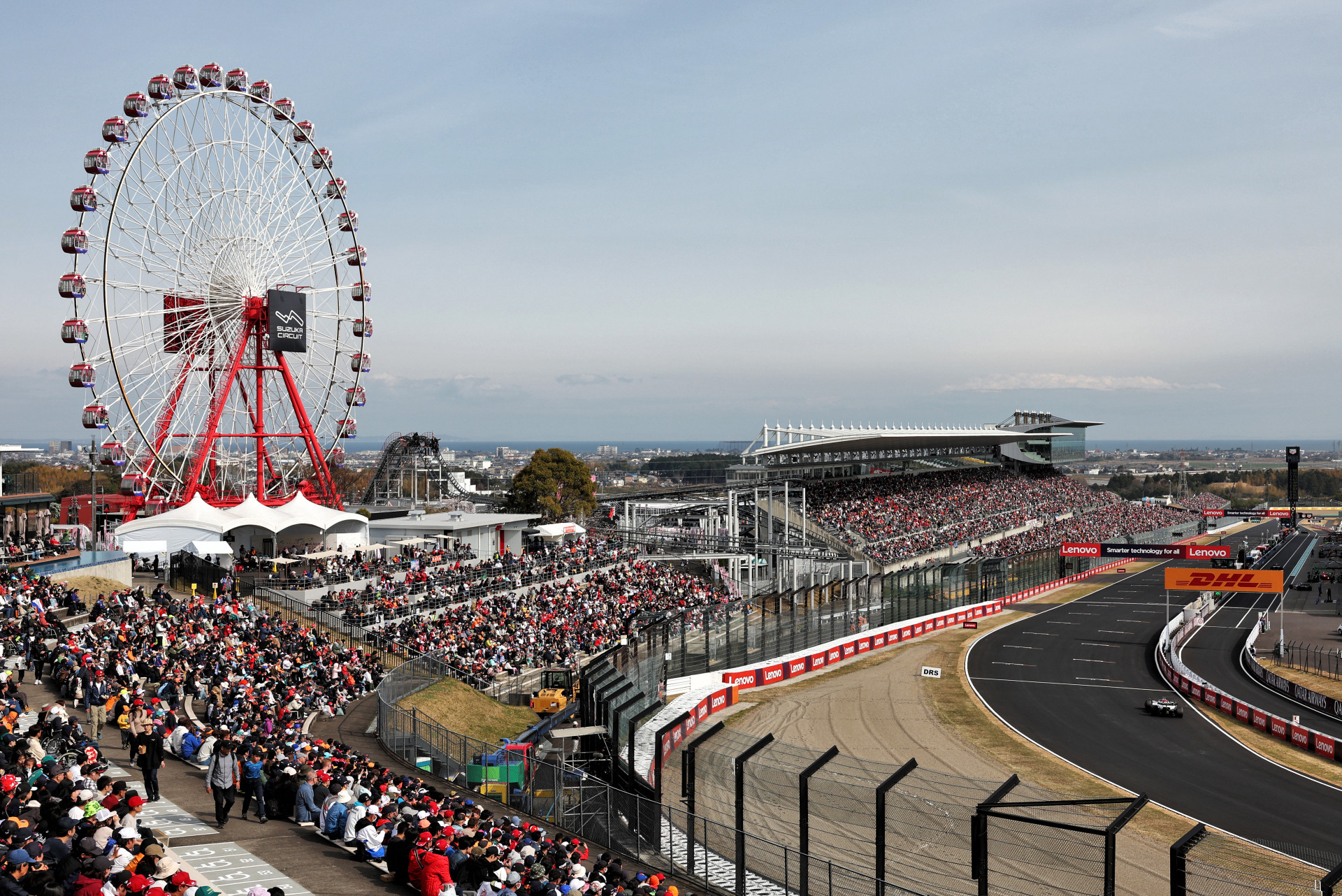
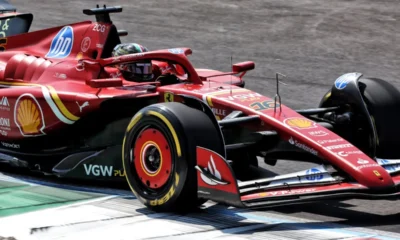
SUZUKA — The paddock chatter surrounding a potential Ferrari-orchestrated test at Monza is already fading, extinguished by a combination of rival opposition and a fresh regulatory intervention from the FIA aimed at Formula 1’s embattled 2026 power unit regulations.
The unexpected cancellation of the Gulf races in April carved out a rare gap in the calendar, fueling speculation that Ferrari could utilize the window for additional track running, potentially extending an invitation to other outfits to share the data. However, that prospect now appears increasingly remote.
When asked about the forthcoming hiatus, Ferrari team principal Frederic Vasseur acknowledged the importance of the downtime, albeit without committing to a formal test. “After this race, we also have a month in Maranello, which will be important to analyse the data collected from the first three races and continue to develop the car in the right direction,” Vasseur said.
While Monza was floated as a logical venue—given the circuit’s proximity to the Scuderia’s headquarters—the idea has failed to gain traction. Sources indicate that Mercedes, currently wielding a dominant position in the pecking order, along with Aston Martin, Williams, and McLaren, are reluctant to green-light additional running that could upset the competitive equilibrium.
FIA Intervenes with Qualifying Tweaks
As the debate over testing faded, attention shifted to the regulatory fixes required to salvage the spectacle of the new power unit era. Following extensive dialogue with teams and manufacturers, the FIA confirmed on Thursday a targeted adjustment to energy management protocols, specifically for qualifying at Suzuka.
In a move designed to curb excessive harvesting and mitigate the lift-and-coast phenomenon that has plagued the season’s opening rounds, the maximum permitted energy recharge has been reduced from 9 megajoules to 8. The change aims to allow drivers to push flat-out during qualifying laps without being artificially hindered by energy constraints.
“This adjustment reflects feedback from drivers and teams,” the FIA stated, “who have emphasised the importance of maintaining qualifying as a performance challenge.”
The governing body added that further discussions are already on the horizon, signaling that this is merely the first step in an ongoing effort to refine the sport’s controversial new technical regulations.
Verstappen’s Blunt Assessment Echoes Through the Paddock
Among the most vocal critics of the current trajectory has been Max Verstappen. While the quadruple world champion remained unfazed by the latest regulatory tweaks, he continued to expand his extracurricular racing portfolio, having spent time earlier in the week testing a Red Bull-liveried Super GT Nissan at Fuji.
Aston Martin simulator driver Dani Juncadella, who shares a GT3 lineup with Verstappen on the Nordschleife, offered insight into the Dutchman’s unwavering stance on F1’s current direction.
“He’s been very blunt in his statements,” Juncadella told Diario Sport. “Since preseason, he’s been telling us that things were looking very bad, and he was absolutely right.”
Juncadella warned that the current regulatory framework risks reducing drivers to mere system managers rather than pure competitors.
“There were moments where overtaking happened in places where it wasn’t usually possible,” he explained. “But if you scratch the surface, it’s because the engine is clipping.
“They overtake, but not because of driver skill. Now they’re acting more like managers than drivers.”
2026 F1
Mercedes alters controversial Front Wing at Suzuka after Ferrari scrutiny—But not for the reason you think
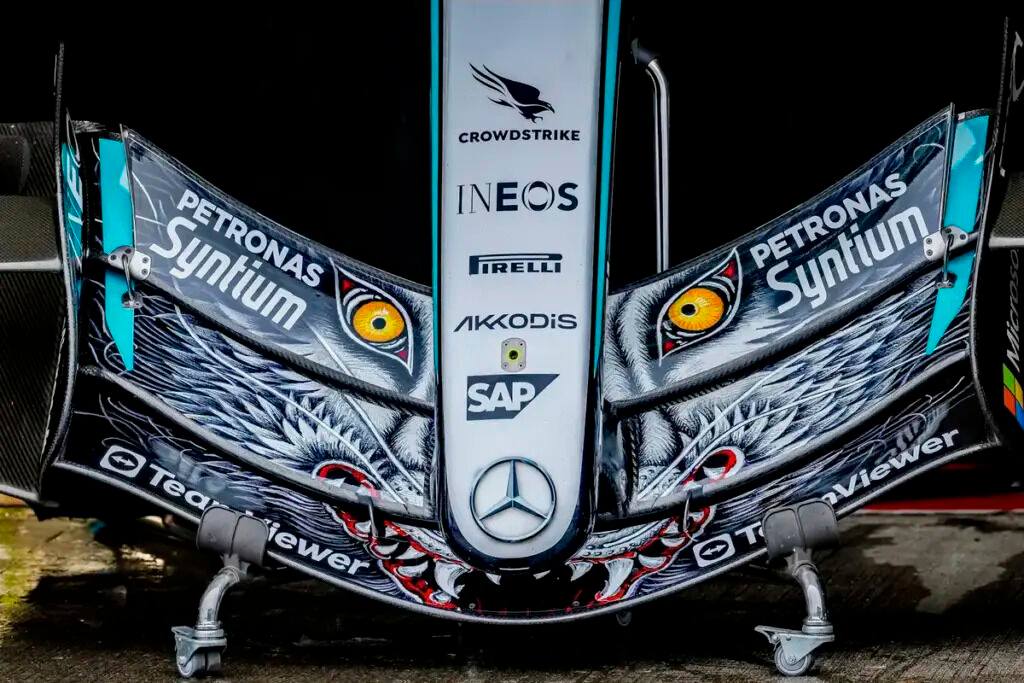
Mercedes has arrived at Suzuka with a subtly revised front wing design following a period of intense technical scrutiny initiated by rival Ferrari, though the team insists the changes are driven by reliability rather than regulatory pressure.
The Silver Arrows entered the Japanese Grand Prix weekend under a microscope after the Scuderia formally approached the FIA for clarification regarding the wing’s behavior during the Chinese Grand Prix. Sources indicated that Ferrari was concerned the wing exhibited a “two-phase” transition during operation, prompting questions about whether the component fully adhered to the strict 400-millisecond regulation window governing aerodynamic flexibility.
Despite the brewing controversy, the situation has not escalated into a formal protest or a full-scale FIA investigation. Instead, Mercedes has opted to proactively adjust the design for the high-downforce demands of the Suzuka Circuit.
According to paddock reports, the revisions to the much-discussed front wing were implemented primarily to address reliability concerns rather than to preempt a potential ban. The updated specification is understood to guarantee that the flaps now retract fully and predictably within the mandated timeframe, effectively closing any ambiguity regarding its operational legality.
By making the alterations ahead of the weekend, Mercedes appears to have neutralized the technical dispute before it could develop into a formal challenge, allowing the team to focus on taming the daunting figure-eight layout without lingering regulatory distractions.
George Russell Storms to Pole as Kimi Antonelli Completes Mercedes Front-Row Lockout; Max Verstappen Crashes Out Early
| Pos | Driver | Team | Time | Tyre |
|---|---|---|---|---|
| 1 | George Russell | Mercedes | 1:18.518 | |
| 2 | Kimi Antonelli | Mercedes | 1:18.811 | |
| 3 | Isack Hadjar | Red Bull | 1:19.303 | |
| 4 | Charles Leclerc | Ferrari | 1:19.327 | |
| 5 | Oscar Piastri | McLaren | 1:19.380 | |
| 6 | Lando Norris | McLaren | 1:19.475 | |
| 7 | Lewis Hamilton | Ferrari | 1:19.478 | |
| 8 | Liam Lawson | Racing Bulls | 1:19.994 | |
| 9 | Arvid Lindblad | Racing Bulls | 1:21.247 | |
| 10 | Gabriel Bortoleto | Audi | ||
| 11 | Nico Hulkenberg | Audi | 1:20.303 | |
| 12 | Oliver Bearman | Haas | 1:20.311 | |
| 13 | Esteban Ocon | Haas | 1:20.491 | |
| 14 | Pierre Gasly | Alpine | 1:20.501 | |
| 15 | Alexander Albon | Williams | 1:20.941 | |
| 16 | Franco Colapinto | Alpine | 1:21.270 | |
| 17 | Fernando Alonso | Aston Martin | 1:21.969 | |
| 18 | Sergio Pérez | Cadillac | 1:22.605 | |
| 19 | Valtteri Bottas | Cadillac | 1:23.244 | |
| 20 | Max Verstappen | Red Bull | ||
| 21 | Carlos Sainz | Williams | ||
| 22 | Lance Stroll | Aston Martin |
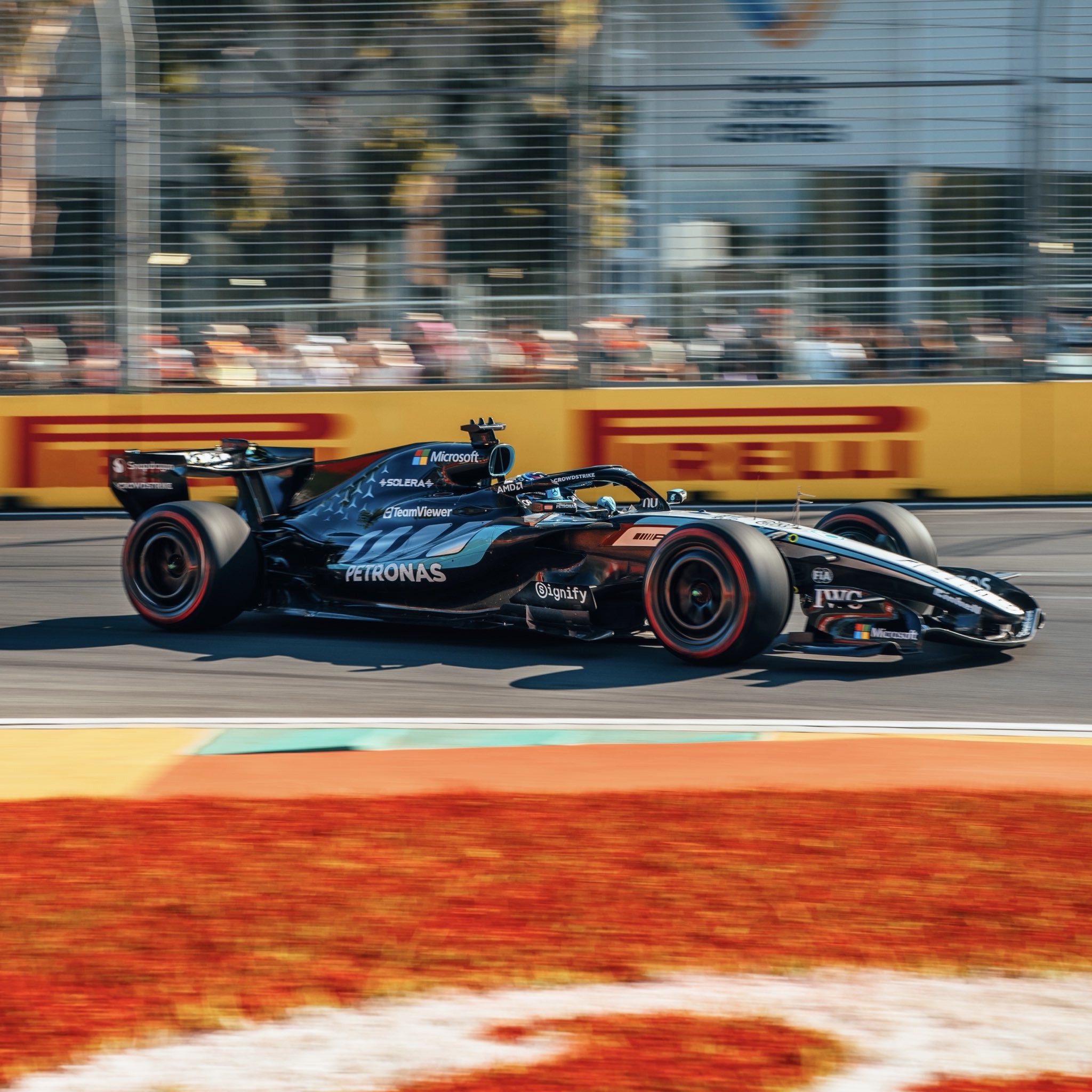
Mercedes looked strong throughout the session, with Russell ultimately putting together the fastest lap when it mattered most. Antonelli followed closely behind, sealing a front-row lockout for the Silver Arrows and underlining the team’s pace heading into race day.
George Russell delivered a commanding performance in qualifying to secure pole position, leading a dominant Mercedes one-two alongside teammate Kimi Antonelli. Russell’s blistering lap set the benchmark for the session, while the young Italian continued his impressive form to line up second on the grid.
Behind the Mercedes duo, Red Bull junior Isack Hadjar produced a standout performance to qualify third. Ferrari’s Charles Leclerc secured fourth, while McLaren drivers Oscar Piastri and Lando Norris completed the third row in fifth and sixth respectively. Lewis Hamilton placed seventh for Ferrari, with Liam Lawson eighth for Racing Bulls. Arvid Lindblad impressed in ninth, while Audi rookie Gabriel Bortoleto rounded out the top ten.
The session saw several notable eliminations as the field battled through the knockout format. Knocked out in Q2 were Nico Hulkenberg, Oliver Bearman, Esteban Ocon, Pierre Gasly, Alexander Albon and Franco Colapinto.
The biggest shock of qualifying came in Q1 when reigning champion Max Verstappen crashed out during the opening segment, ending his session prematurely and leaving him far down the order. He was joined in the early elimination zone by Fernando Alonso, Sergio Perez, Valtteri Bottas, Carlos Sainz and Lance Stroll.
With Mercedes locking out the front row and several frontrunners starting out of position, the stage is set for an unpredictable and exciting race.
F1 2026: Full Car Launch Schedule & Major Regulation Changes, New Teams
Formula 1 is preparing for one of the biggest regulation shake-ups in its history as the F1 2026 rules introduce sweeping changes to both power units and chassis design. These updates mark the beginning of a new era and will significantly impact how teams develop their cars and how drivers manage race strategy.
| Team | Date | Location |
|---|---|---|
| Red Bull | January 15th – SEASON LAUNCH | Detroit, Michigan |
| Racing Bulls | January 15th – SEASON LAUNCH | Detroit, Michigan |
| Alpine | January 23rd – SEASON LAUNCH | Barcelona |
| Aston Martin | February 9th | Saudi Arabia |
| McLaren | TBA | TBA |
| Mercedes | TBA | TBA |
| Williams | TBA | TBA |
| Haas | January 23rd | Online |
| Audi | January 20th | Berlin |
| Honda Power Unit Launch | January 20th | Tokyo |
| Ferrari | January 23rd | TBC |
| Cadillac | February 8th | California’s Levi’s Stadium |
Radical New Power Units for F1 2026
The upcoming engine regulations will eliminate the MGU-H entirely while dramatically boosting hybrid performance. The electrical output is set to climb to 350 kW, almost three times the current 120 kW, giving drivers far more battery power and reshaping how energy recovery is used during a race.
Active Aero & Sustainable Fuels to Transform Car Performance
Alongside the engine overhaul, the 2026 F1 chassis will feature active aerodynamics, allowing cars to adjust their aero profile on the move. This innovation is expected to change overtaking, race management, and overall car balance.
Formula 1 will also transition to 100% fully synthetic fuels, marking a major step toward the sport’s long-term sustainability goals.
New F1 Teams on the Grid in 2026
The F1 2026 grid will welcome new contenders. Cadillac joins as the 11th team, while Audi officially enters the championship by taking over the Stake outfit, bringing Sauber’s current F1 identity to an end.
Launch Season Returns for 2026 F1 Cars
Before the racing begins, fans will get their first look at the new generation during the return of F1’s traditional car launch season. The 2025 season skipped individual launches due to the special “F1 75” event in London, but the 2026 campaign brings back team-by-team unveilings.
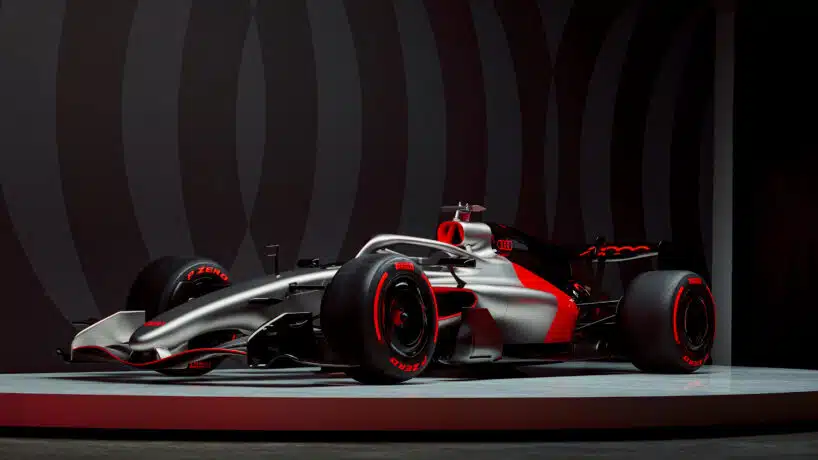
However, teams are expected to keep their true 2026 designs hidden. For competitive reasons, most launches will showcase new liveries rather than the fully developed chassis and aerodynamic concepts they plan to race.
Full List of Confirmed F1 2026 Car Launch Dates
Check the complete list of confirmed 2026 Formula 1 car launch dates in the table below to stay updated as teams reveal their new challengers.

Full Calendar: 2025 F1 Season Features a Record 24-Races

Race Results – F1 2025 Chinese Grand Prix

Chinese Grand Prix – 2025 F1 Drivers’ and Teams’ Standings

Reigning Champions McLaren revealed 2025 F1 Car – MCL39

Qualifying Results – 2025 F1 Australian Grand Prix

FIA moves to fix F1 2026 rules as rivals block Ferrari test

Mercedes alters controversial Front Wing at Suzuka after Ferrari scrutiny—But not for the reason you think

Qualifying Results – 2026 F1 Australian Grand Prix

F1 2026 Car Launch: All Confirmed Dates (Updated List)
Who’s Winning the 2025 F1 Title? Let’s Be Honest…
-
 2025 F11 year ago
Full Calendar: 2025 F1 Season Features a Record 24-Races
-
 2025 F11 year ago
Race Results – F1 2025 Chinese Grand Prix
-
 2025 F11 year ago
Chinese Grand Prix – 2025 F1 Drivers’ and Teams’ Standings
-
 2025 F11 year ago
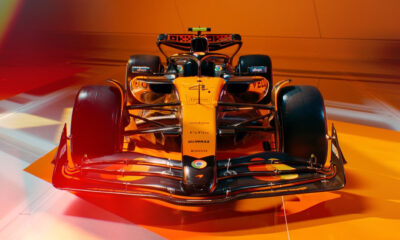
Reigning Champions McLaren revealed 2025 F1 Car – MCL39
-
 2025 F11 year ago
Qualifying Results – 2025 F1 Australian Grand Prix
-
 2025 F11 year ago
2025 F1 Testing Results – Day 1 – First Half
-
 2025 F11 year ago
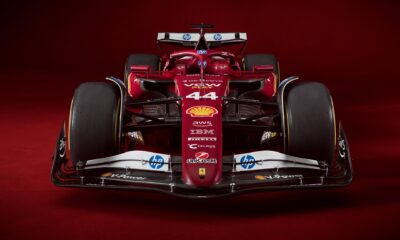
Photos: Ferrari officially launched its 2025 F1 car SF-25
-
 2025 F11 year ago
2025 F1 Testing Schedule – Confirmed all three-day driver line-ups